Science / 10 questions
Solar system trivia
Planets, rings, and a few cosmic surprises.
About 3–5 minutes · No timer
Start this quiz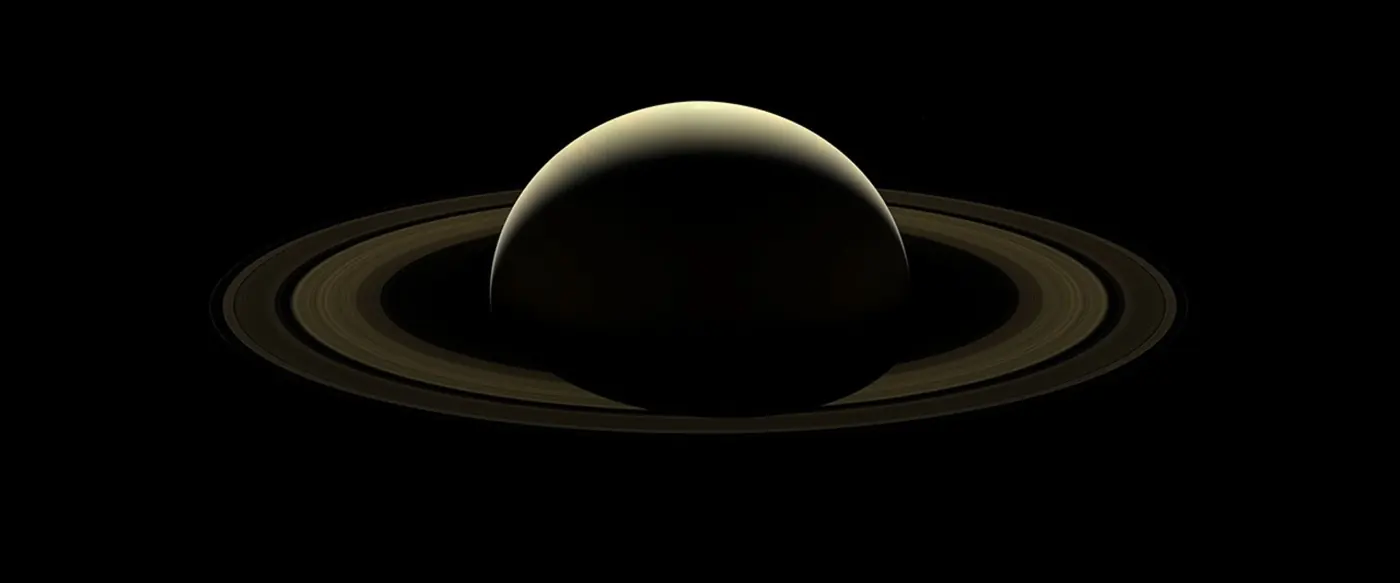
Which planet is closest to the Sun?
Pick one answer. No timer, no rush.
QUESTIONS & ANSWERS
Solar system trivia: the full question sheet
Take a quick trip from Mercury to Neptune. These ten questions explore the planets, their moons, and our nearest star.
By Quizpen · September 8, 2026
Which planet is closest to the Sun?
Reveal answer
Mercury. Mercury is the innermost planet in our solar system.
Which planet is the largest?
Reveal answer
Jupiter. Jupiter is the largest planet in our solar system.
What is the Sun?
Reveal answer
A star. The Sun is a star, producing energy through nuclear fusion in its core.
Which planet is known as the Red Planet?
Reveal answer
Mars. Iron minerals on the surface oxidize, giving Mars its reddish appearance.
Which planet is famous for its prominent ring system?
Reveal answer
Saturn. Saturn has bright, extensive rings made mostly of pieces of ice, with rock and dust.
Which planet is hottest on average at its surface?
Reveal answer
Venus. Venus has a thick atmosphere that traps heat through an extreme greenhouse effect.
The main asteroid belt lies between which planets?
Reveal answer
Mars and Jupiter. Most main-belt asteroids orbit between Mars and Jupiter.
Which planet rotates nearly on its side?
Reveal answer
Uranus. Uranus has an axial tilt of about 98 degrees.
How many planets are in our solar system?
Reveal answer
Eight. There are eight planets. Pluto is classified as a dwarf planet.
Which planet is farthest from the Sun?
Reveal answer
Neptune. Neptune is the outermost of the eight planets.
Answer key
- Mercury. Mercury is the innermost planet in our solar system.
- Jupiter. Jupiter is the largest planet in our solar system.
- A star. The Sun is a star, producing energy through nuclear fusion in its core.
- Mars. Iron minerals on the surface oxidize, giving Mars its reddish appearance.
- Saturn. Saturn has bright, extensive rings made mostly of pieces of ice, with rock and dust.
- Venus. Venus has a thick atmosphere that traps heat through an extreme greenhouse effect.
- Mars and Jupiter. Most main-belt asteroids orbit between Mars and Jupiter.
- Uranus. Uranus has an axial tilt of about 98 degrees.
- Eight. There are eight planets. Pluto is classified as a dwarf planet.
- Neptune. Neptune is the outermost of the eight planets.