
Entertainment / 10-question mixed rounds
Sewing pattern symbols quiz
Try 30 sewing pattern symbols questions with original diagrams, grainline and fold layouts, explained answers, focused practice and printable worksheets.
Mixed rounds: about 3–5 minutes · No timer
10 random questions per mixed round · 30 questions in the full bank below
Published by Quizpen · Explanations include linked supporting reading. See our source-checking process and review limits.
PRACTICE BY SKILL
Choose a focused round
Practice one part of this topic with every question in that skill. Focused practice is separate from ten-question mixed rounds.
Getting your round ready…
BEHIND THE ROUND
A little more about this quiz
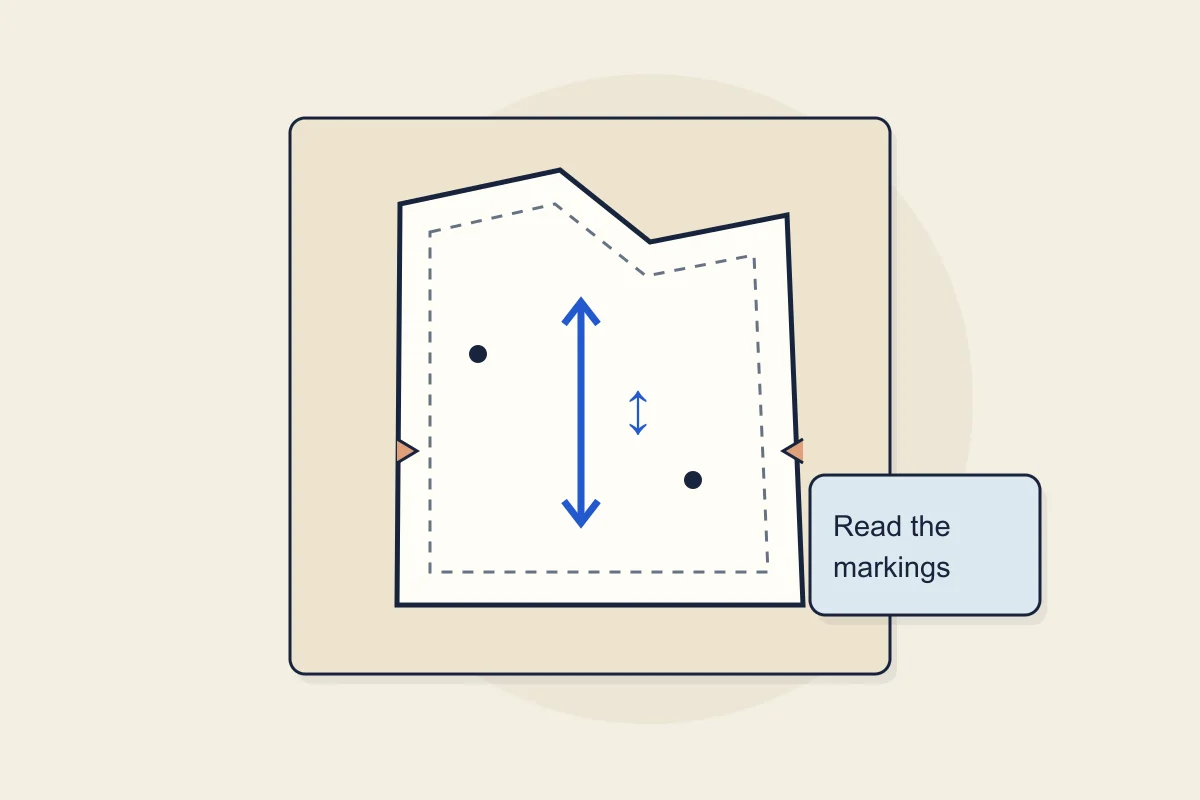
A sewing pattern combines symbols with written instructions. Start with the publisher’s key, then use each mark for its particular job: matching, placement, grain alignment or adjustment.
This quiz uses independent generic drawings. It teaches how to read a key and a layout rather than treating every publisher’s marks as identical.
LEARN THE PATTERN
How to practice sewing pattern symbols
Read original pattern-symbol diagrams, grainline layouts and supplied legends. The bank has 30 explained questions; a mixed round draws ten.
Sewing pattern symbols reference
Generic paper-pattern reading practice. Symbols, notch conventions, size lines and allowances can vary; each question’s stated key and instructions control the answer.
| Mark or instruction | Reading task | Check before acting |
|---|---|---|
| Grainline arrow | Align the arrow with the stated grain direction | Layout, selvage or fold direction |
| Place on fold | Put the indicated edge on the fabric fold | Which edge the symbol points to |
| Notches | Match corresponding positions | The pattern’s own matching conventions |
| Dart | Identify the marked shaping feature | Point, legs and construction step |
| Lengthen/shorten lines | Locate the stated paper-pattern length change | Method and amount in the instructions |
| Size-line key | Follow the outline assigned to the selected size | Legend for solid, dashed or dotted styles |
| Hem allowance | Read the amount provided for the hem turn | The particular edge and instruction |
| Measurement mark | Read what the stated measurement describes | Body, fabric or finished-garment context |
Read each question’s stated scope and key before answering.
Reference sources: Butterick: pattern markings and cutting layouts
Check what you remember
Look away from the table. Try each question, then open it to check your answer.
Does one notch universally mean front?Show answer
No. Use the current pattern’s key and matching instructions.
Does a grainline arrow mean the same thing as place on fold?Show answer
No. Meet the separately stated alignment and placement requirements.
Separate matching from alignment
Notches and construction symbols help match positions. A grainline arrow concerns the fabric direction, while a place-on-fold instruction puts a specified edge on the fold. Check each requirement separately.
Read the legend before the outline
A solid, dashed or dotted line can have a purpose assigned by a size or construction key. Use the displayed key instead of guessing from the line alone. A seam allowance or finished measurement belongs to its stated pattern context.
Practice a practical reading sequence
Try symbols first, then layouts, then the ten legend-and-instruction scenarios. For a class or sewing group, print a subset, hide the key until answers are chosen, and ask players which visual detail or sentence decided their answer.
Put it into practice
Further reading: Butterick: pattern markings and cutting layouts
QUESTIONS & ANSWERS
Sewing pattern symbols quiz: the full question sheet
Read original pattern-symbol diagrams, grainline layouts and supplied legends. The bank has 30 explained questions; a mixed round draws ten.
By Quizpen · Updated
Browse the full question bank30 questions & answers
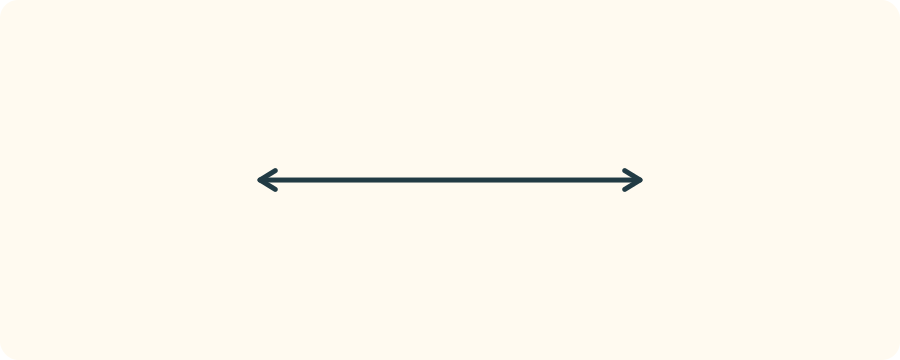
Which common pattern marking is represented by this double-ended arrow?
 Open diagram at full size ↗
Image source & credit
Original diagram by Quizpen Source ↗ · Quizpen original artwork. Resized for display.
Reveal answer
Grainline. The arrow indicates grain alignment. Follow the particular pattern’s layout instructions to orient it relative to the fabric.
Sources for this answer
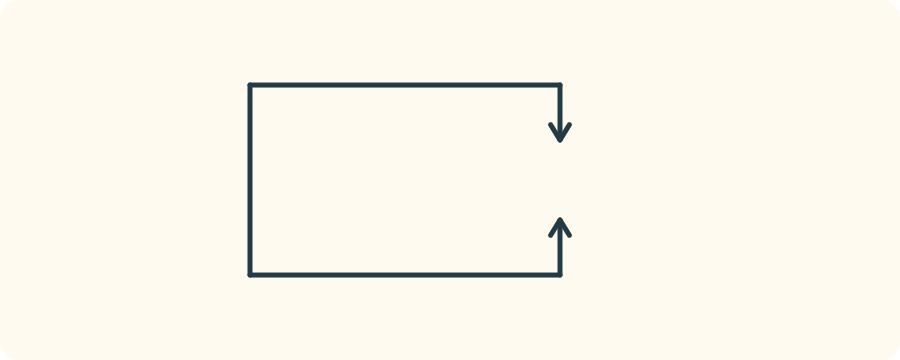
In this quiz’s pattern key, the bent-arrow bracket points toward an edge that belongs on the fabric fold. What is that instruction called?
 Open diagram at full size ↗
Image source & credit
Original diagram by Quizpen Source ↗ · Quizpen original artwork. Resized for display.
Reveal answer
Place on fold. A fold placement instruction puts the indicated pattern edge on the folded fabric. Its exact graphic form can vary by publisher.
Sources for this answer
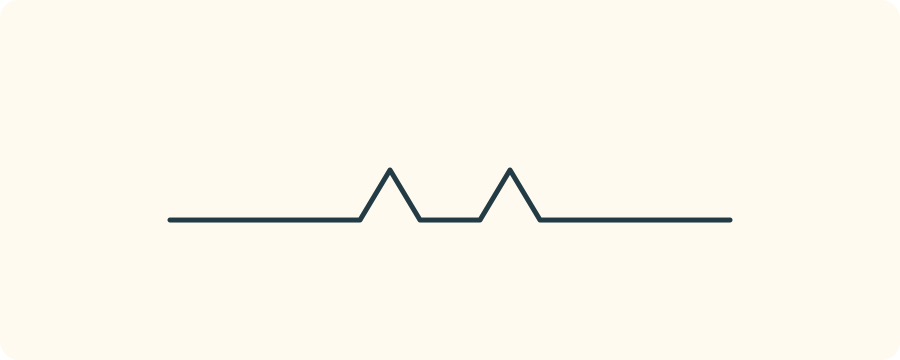
What is the main purpose of these triangular edge marks?
 Open diagram at full size ↗
Image source & credit
Original diagram by Quizpen Source ↗ · Quizpen original artwork. Resized for display.
Reveal answer
Match corresponding pattern positions. Notches align corresponding parts. Notch count and garment-side conventions should be read from the particular pattern rather than assumed universal.
Sources for this answer
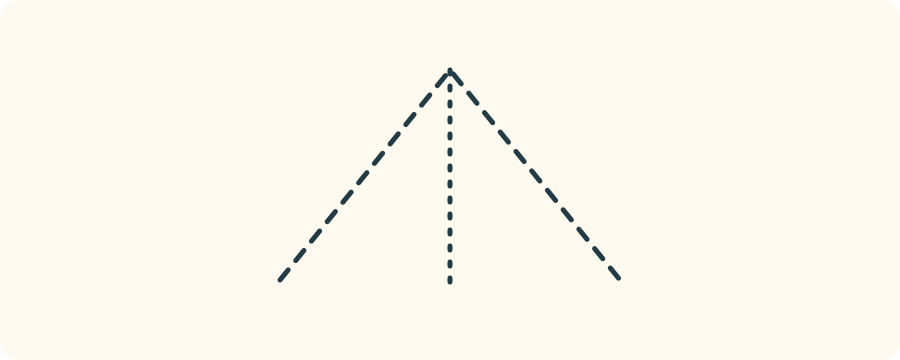
The key identifies these V-shaped broken lines as a shaping feature. Which feature is it?
 Open diagram at full size ↗
Image source & credit
Original diagram by Quizpen Source ↗ · Quizpen original artwork. Resized for display.
Reveal answer
A dart. A dart shapes part of a garment. Read its point and legs with the pattern instructions; the V is not automatically a triangle to cut away.
Sources for this answer
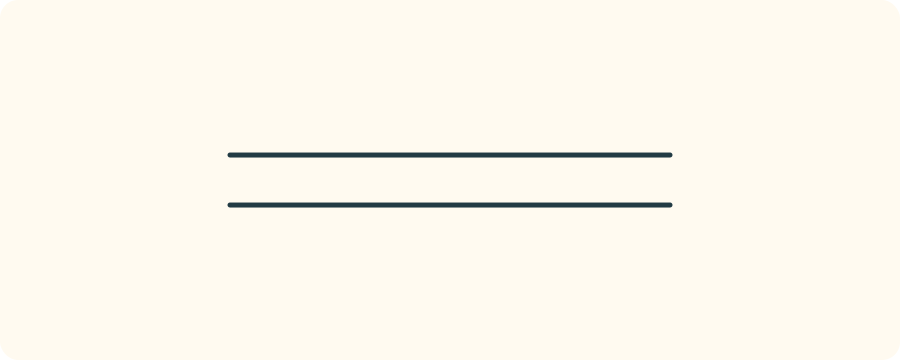
What do these paired parallel lines usually locate when a pattern labels them for adjustment?
 Open diagram at full size ↗
Image source & credit
Original diagram by Quizpen Source ↗ · Quizpen original artwork. Resized for display.
Reveal answer
A lengthen-or-shorten area. The paired adjustment lines locate a length change in the paper piece. The amount still comes from the instructions.
Sources for this answer
A supplied key says X = button center. What does this X tell you to mark?
 Open diagram at full size ↗
Image source & credit
Original diagram by Quizpen Source ↗ · Quizpen original artwork. Resized for display.
Reveal answer
The button’s center position. The stated legend assigns the X to button placement. Always use the actual pattern’s key when a publisher uses a different symbol.
Sources for this answer
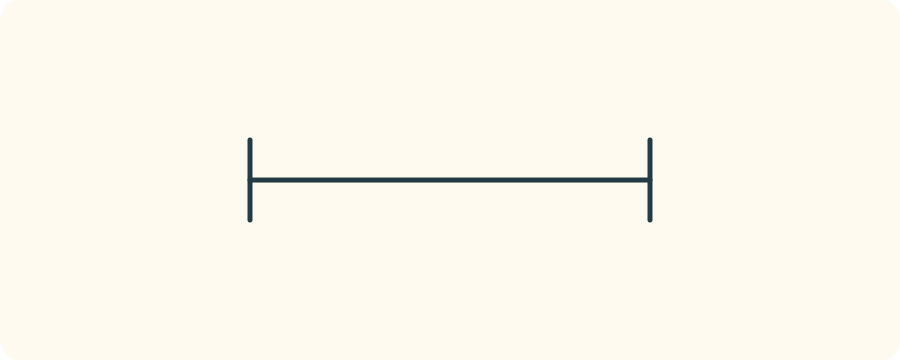
A supplied key assigns this bar-ended line to a button opening. What does it mark?
 Open diagram at full size ↗
Image source & credit
Original diagram by Quizpen Source ↗ · Quizpen original artwork. Resized for display.
Reveal answer
A buttonhole position. In the stated key, the bar-ended line describes the opening’s position and extent. It is different from the button-center mark.
Sources for this answer
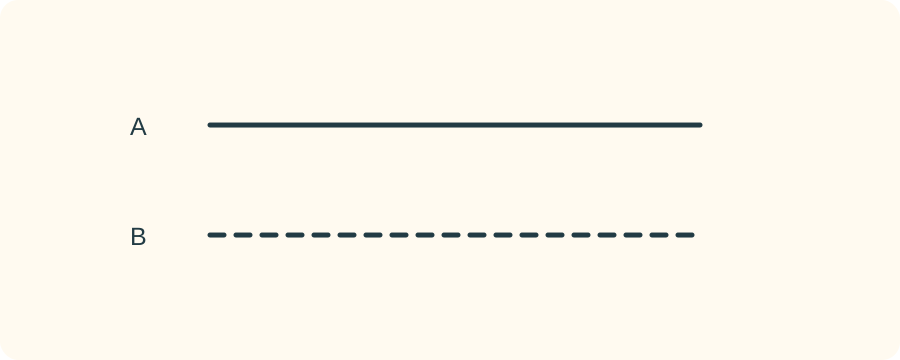
The supplied key says solid = cut and broken = stitch. Which labeled line is the stitching line?
 Open diagram at full size ↗
Image source & credit
Original diagram by Quizpen Source ↗ · Quizpen original artwork. Resized for display.
Reveal answer
B. B is the broken line under this explicit legend. Line styles can differ across patterns, so the key controls the answer.
Sources for this answer
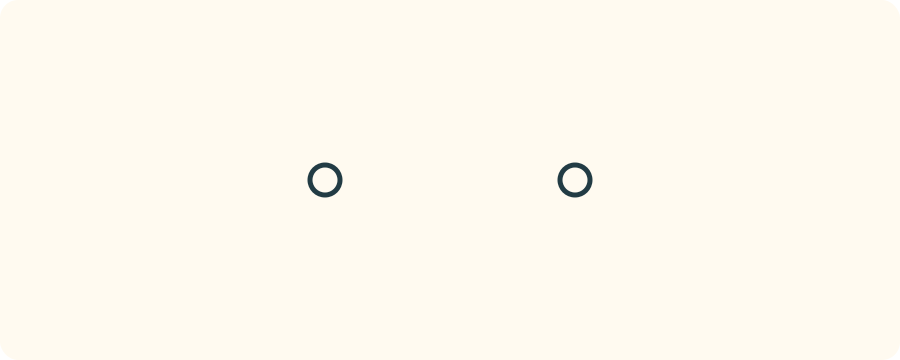
A key calls these two circles matching points. What should you use them for?
 Open diagram at full size ↗
Image source & credit
Original diagram by Quizpen Source ↗ · Quizpen original artwork. Resized for display.
Reveal answer
Align the corresponding marked positions. Construction symbols can identify corresponding points or placement details. Their purpose is established by the key and the surrounding step.
Sources for this answer
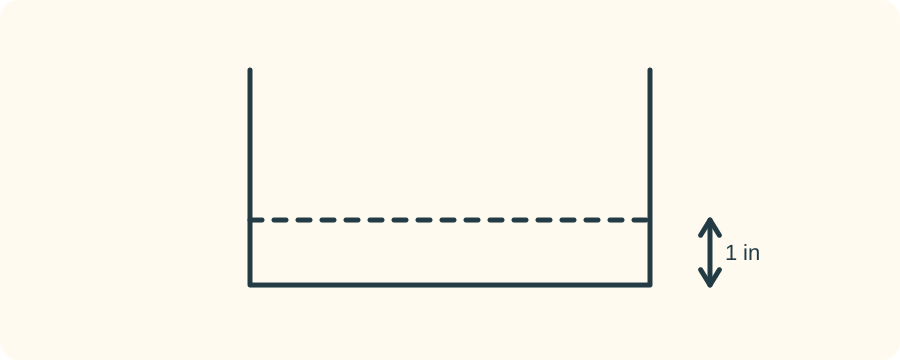
The key labels the vertical measurement at the lower edge as hem allowance. What does it describe?
 Open diagram at full size ↗
Image source & credit
Original diagram by Quizpen Source ↗ · Quizpen original artwork. Resized for display.
Reveal answer
The amount provided for turning the hem. A hem-allowance annotation concerns the hem turn. It is distinct from the fabric width and the finished garment measurements.
Sources for this answer
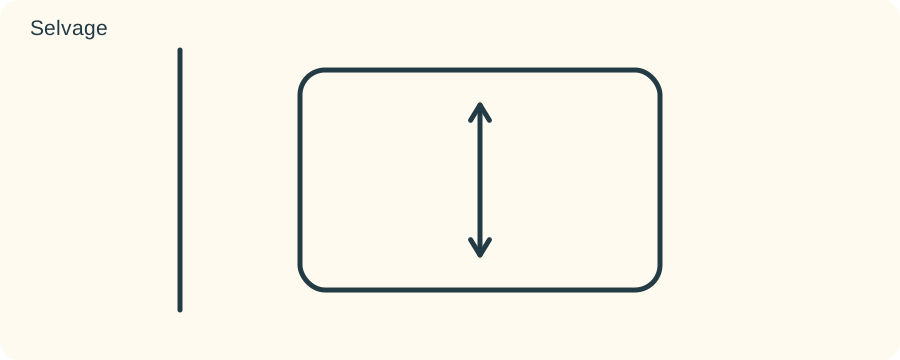
The selvage is vertical. Does the double-ended arrow in this diagram satisfy a parallel-to-selvage instruction?
 Open diagram at full size ↗
Image source & credit
Original diagram by Quizpen Source ↗ · Quizpen original artwork. Resized for display.
Reveal answer
Yes, the two directions are parallel. Both lines run vertically. Alignment depends on the arrow’s direction relative to the selvage, not on how the piece looks upright.
Sources for this answer
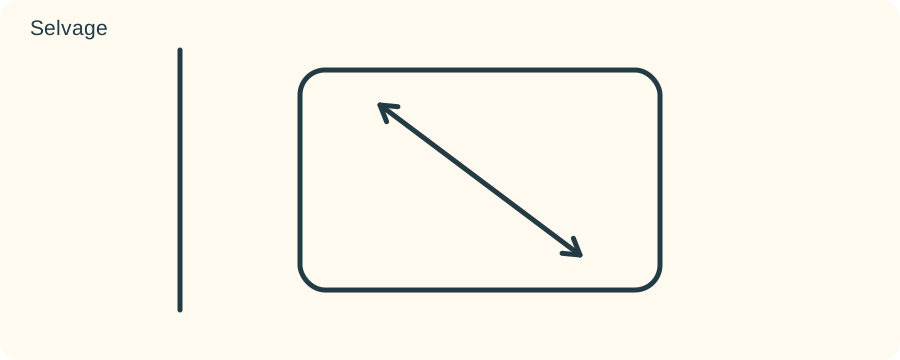
The instruction says keep the arrow parallel to the vertical selvage. What needs correcting here?
 Open diagram at full size ↗
Image source & credit
Original diagram by Quizpen Source ↗ · Quizpen original artwork. Resized for display.
Reveal answer
Rotate the piece until the arrow is parallel. The arrow slopes while the selvage is vertical. Reorient the piece to meet the stated grainline direction.
Sources for this answer
Both measured points on the straight arrow are four inches from the straight selvage. What does this show?
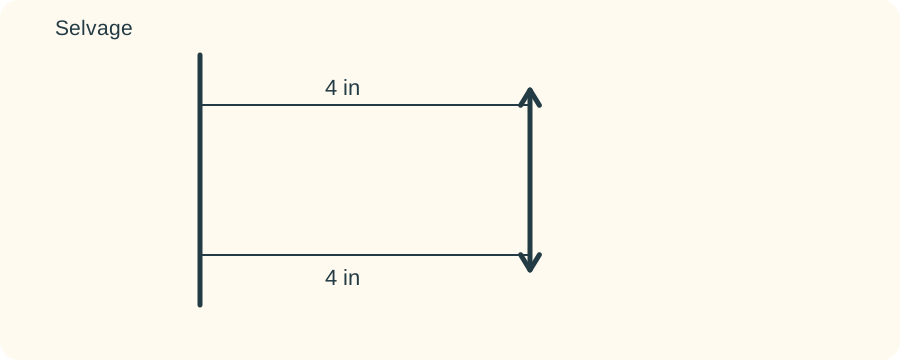 Open diagram at full size ↗
Image source & credit
Original diagram by Quizpen Source ↗ · Quizpen original artwork. Resized for display.
Reveal answer
The arrow and selvage are parallel. Equal perpendicular distances at two points establish parallel straight lines. This checks alignment without using an unrelated curved edge.
Sources for this answer
This piece’s marked straight edge sits directly on the fabric fold. Which placement instruction does that satisfy?
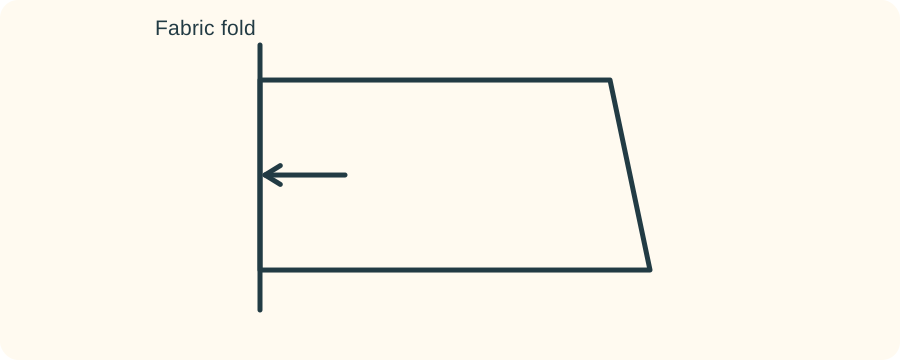 Open diagram at full size ↗
Image source & credit
Original diagram by Quizpen Source ↗ · Quizpen original artwork. Resized for display.
Reveal answer
Place the indicated edge on fold. The indicated fold edge belongs exactly along the fold. A grainline or another straight edge does not automatically substitute for it.
Sources for this answer
A pattern explicitly says PLACE ON FOLD for one edge. After placing it there, should you cut along that folded edge?
Open diagram at full size ↗Image source & credit
Original diagram by Quizpen Source ↗ · Quizpen original artwork. Resized for display.
Reveal answer
No; keep that fold continuous. For the stated on-fold layout, that line remains uncut. Follow the cutting instructions on the other designated outlines.
Sources for this answer
These two edges have corresponding triangular marks. Which action uses the marks correctly?
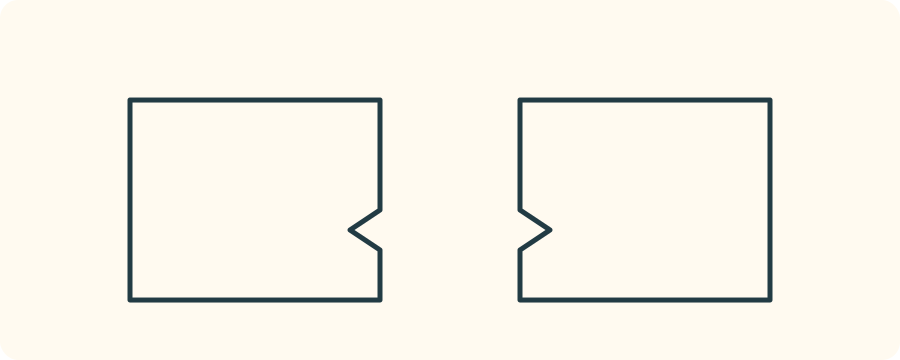 Open diagram at full size ↗
Image source & credit
Original diagram by Quizpen Source ↗ · Quizpen original artwork. Resized for display.
Reveal answer
Bring the matching marks together at the indicated seam. The marks are alignment cues. Match the corresponding marked positions while following the pattern’s seam instructions.
Sources for this answer
A step says match the small circles. One piece also has a large circle. Which marks should you pair?
Reveal answer
The small circle on each corresponding piece. The step specifies the small-circle symbols. Size and symbol differences can distinguish construction points.
Sources for this answer
An instruction says change the piece’s length at its marked adjustment lines. Where should you work?
Open diagram at full size ↗Image source & credit
Original diagram by Quizpen Source ↗ · Quizpen original artwork. Resized for display.
Reveal answer
At the designated lengthen-or-shorten lines. Use the designated adjustment area rather than moving an unrelated feature. This question concerns reading the instruction, not choosing a personal fit change.
Sources for this answer
In this illustrated shortening method, folding out a one-inch-deep tuck removes how much length overall?
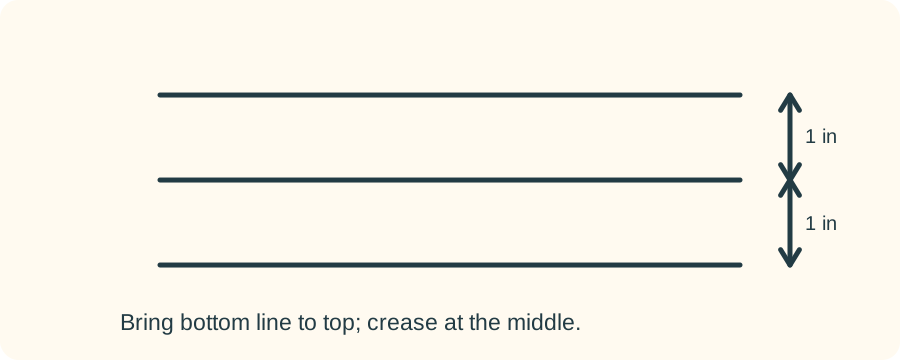 Open diagram at full size ↗
Image source & credit
Original diagram by Quizpen Source ↗ · Quizpen original artwork. Resized for display.
Reveal answer
Two inches. A one-inch tuck takes up an inch on each side of the fold. The shown shortening method therefore removes two inches of length.
Sources for this answer
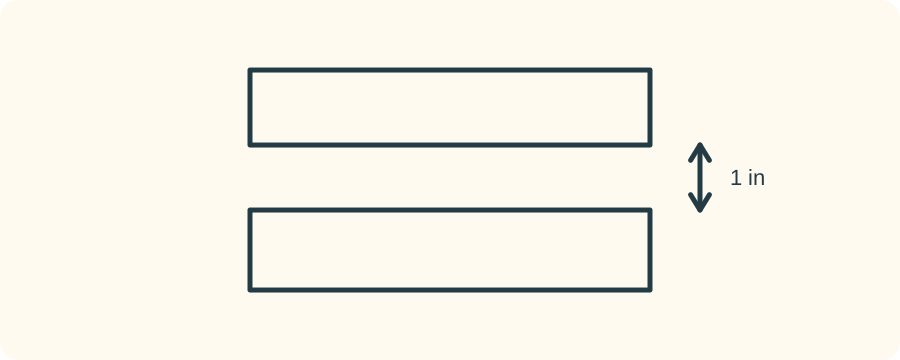
The stated adjustment calls for a one-inch increase in length. Which gap is shown between these parallel cut sections?
 Open diagram at full size ↗
Image source & credit
Original diagram by Quizpen Source ↗ · Quizpen original artwork. Resized for display.
Reveal answer
One inch. The sections are separated by the labeled one-inch gap. Keeping the aligned edges parallel preserves the stated adjustment geometry.
Sources for this answer
A new pattern uses one notch for a back piece. A different pattern used one notch for a front piece. Which rule should you follow?
Reveal answer
The current pattern’s key and matching instructions. Notches match parts, while the publisher’s construction conventions determine their particular use. Read the current pattern rather than inventing a universal side rule.
Sources for this answer
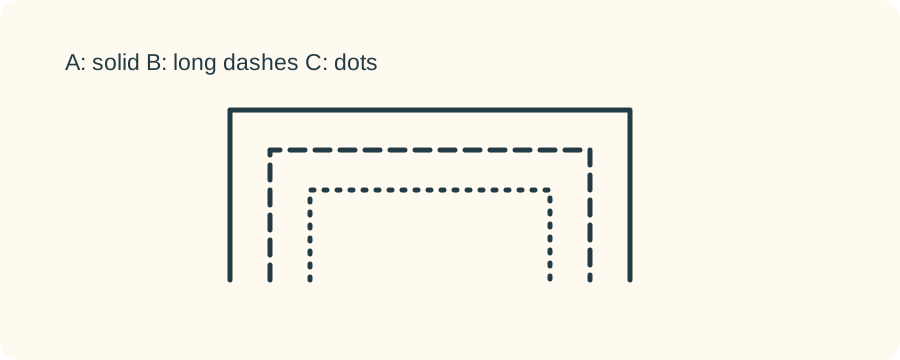
The size key says B = long dashes. Which outline should you follow for the fictional size B?
 Open diagram at full size ↗
Image source & credit
Original diagram by Quizpen Source ↗ · Quizpen original artwork. Resized for display.
Reveal answer
The long-dashed middle outline. Use the explicit size-line key. A line style is meaningful because the supplied legend assigns it to a size.
Sources for this answer
A pattern states a three-eighths-inch seam allowance for a particular edge. Which value controls that edge?
Reveal answer
Three eighths of an inch. Use the allowance stated for that edge and pattern. A common default in one instruction sheet is not a universal allowance for every design.
Sources for this answer
A dart key labels the meeting point of two dart legs as the dart point. Which part should you identify?
Open diagram at full size ↗Image source & credit
Original diagram by Quizpen Source ↗ · Quizpen original artwork. Resized for display.
Reveal answer
The point where the two legs meet. The dart point and dart legs are different parts of the marked shaping feature. The declared key makes their locations explicit.
Sources for this answer
A pocket-placement step says match its corners to the large circles. What should you check first?
Reveal answer
Which symbols the key identifies as the large circles. Read the specified placement symbols before aligning the pocket. In the source instructions, large circles are used for a pocket-placement step.
Sources for this answer
The key uses X for a button center and a bar-ended line for its opening. Which mark locates the button itself?
Reveal answer
X. Under this explicit key, X locates the button and the line locates the opening. The answer comes from the stated legend rather than a universal symbol claim.
Sources for this answer
A hypothetical key defines a crossed circle as a fullness-area marker. What should that symbol mean while reading this particular key?
Reveal answer
The defined fullness area. A pattern key gives context to its symbols. Use its stated meaning; the same visual mark need not carry one universal meaning across all publishers.
Sources for this answer
This instruction sheet labels a measurement mark as the circumference of the finished garment. Is that automatically the wearer’s body circumference?
Reveal answer
No; the label describes the finished garment. The source’s measurement marking concerns the completed garment. Do not silently substitute a body measurement or fabric-width figure.
Sources for this answer
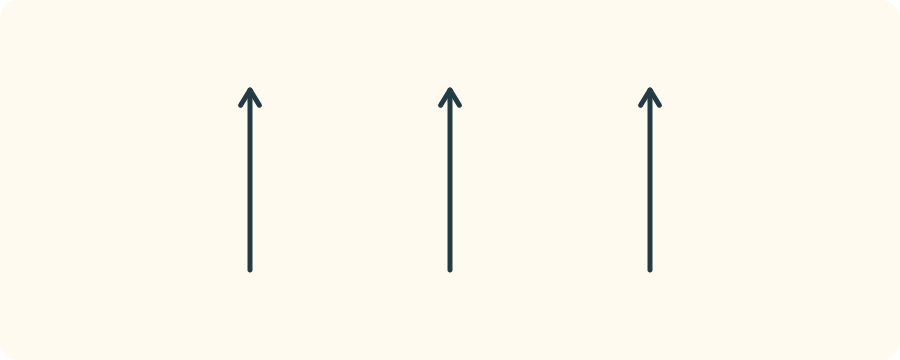
The cutting instruction says all nap-direction arrows must point the same way. Does this layout satisfy that condition?
 Open diagram at full size ↗
Image source & credit
Original diagram by Quizpen Source ↗ · Quizpen original artwork. Resized for display.
Reveal answer
Yes; every arrow points upward. All three arrows point in the same direction. That meets the stated directional requirement; other layout requirements still need their own checks.
Sources for this answer
A grainline instruction and a place-on-fold instruction appear on the same piece. How should you read them?
Reveal answer
Meet both stated alignment requirements. One mark concerns grain alignment and the other concerns fold placement. Read them together with the cutting layout rather than swapping their meanings.
Sources for this answer
Answer key
- Grainline. The arrow indicates grain alignment. Follow the particular pattern’s layout instructions to orient it relative to the fabric.
- Place on fold. A fold placement instruction puts the indicated pattern edge on the folded fabric. Its exact graphic form can vary by publisher.
- Match corresponding pattern positions. Notches align corresponding parts. Notch count and garment-side conventions should be read from the particular pattern rather than assumed universal.
- A dart. A dart shapes part of a garment. Read its point and legs with the pattern instructions; the V is not automatically a triangle to cut away.
- A lengthen-or-shorten area. The paired adjustment lines locate a length change in the paper piece. The amount still comes from the instructions.
- The button’s center position. The stated legend assigns the X to button placement. Always use the actual pattern’s key when a publisher uses a different symbol.
- A buttonhole position. In the stated key, the bar-ended line describes the opening’s position and extent. It is different from the button-center mark.
- B. B is the broken line under this explicit legend. Line styles can differ across patterns, so the key controls the answer.
- Align the corresponding marked positions. Construction symbols can identify corresponding points or placement details. Their purpose is established by the key and the surrounding step.
- The amount provided for turning the hem. A hem-allowance annotation concerns the hem turn. It is distinct from the fabric width and the finished garment measurements.
- Yes, the two directions are parallel. Both lines run vertically. Alignment depends on the arrow’s direction relative to the selvage, not on how the piece looks upright.
- Rotate the piece until the arrow is parallel. The arrow slopes while the selvage is vertical. Reorient the piece to meet the stated grainline direction.
- The arrow and selvage are parallel. Equal perpendicular distances at two points establish parallel straight lines. This checks alignment without using an unrelated curved edge.
- Place the indicated edge on fold. The indicated fold edge belongs exactly along the fold. A grainline or another straight edge does not automatically substitute for it.
- No; keep that fold continuous. For the stated on-fold layout, that line remains uncut. Follow the cutting instructions on the other designated outlines.
- Bring the matching marks together at the indicated seam. The marks are alignment cues. Match the corresponding marked positions while following the pattern’s seam instructions.
- The small circle on each corresponding piece. The step specifies the small-circle symbols. Size and symbol differences can distinguish construction points.
- At the designated lengthen-or-shorten lines. Use the designated adjustment area rather than moving an unrelated feature. This question concerns reading the instruction, not choosing a personal fit change.
- Two inches. A one-inch tuck takes up an inch on each side of the fold. The shown shortening method therefore removes two inches of length.
- One inch. The sections are separated by the labeled one-inch gap. Keeping the aligned edges parallel preserves the stated adjustment geometry.
- The current pattern’s key and matching instructions. Notches match parts, while the publisher’s construction conventions determine their particular use. Read the current pattern rather than inventing a universal side rule.
- The long-dashed middle outline. Use the explicit size-line key. A line style is meaningful because the supplied legend assigns it to a size.
- Three eighths of an inch. Use the allowance stated for that edge and pattern. A common default in one instruction sheet is not a universal allowance for every design.
- The point where the two legs meet. The dart point and dart legs are different parts of the marked shaping feature. The declared key makes their locations explicit.
- Which symbols the key identifies as the large circles. Read the specified placement symbols before aligning the pocket. In the source instructions, large circles are used for a pocket-placement step.
- X. Under this explicit key, X locates the button and the line locates the opening. The answer comes from the stated legend rather than a universal symbol claim.
- The defined fullness area. A pattern key gives context to its symbols. Use its stated meaning; the same visual mark need not carry one universal meaning across all publishers.
- No; the label describes the finished garment. The source’s measurement marking concerns the completed garment. Do not silently substitute a body measurement or fabric-width figure.
- Yes; every arrow points upward. All three arrows point in the same direction. That meets the stated directional requirement; other layout requirements still need their own checks.
- Meet both stated alignment requirements. One mark concerns grain alignment and the other concerns fold placement. Read them together with the cutting layout rather than swapping their meanings.